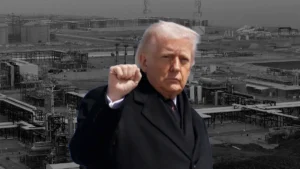

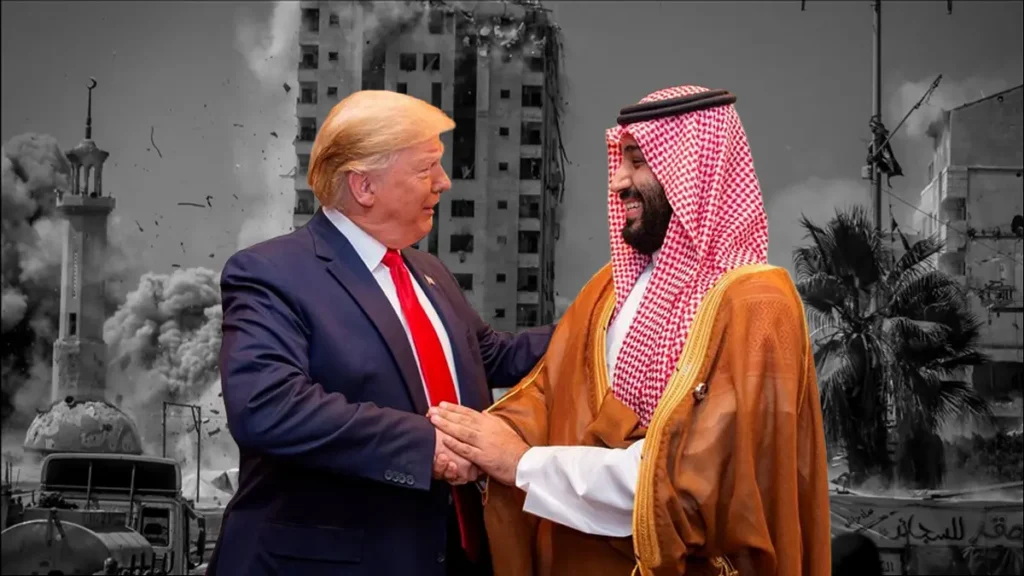
RIYADH/WASHINGTON — Saudi Crown Prince Mohammed bin Salman has reportedly encouraged U.S. President Donald Trump to persist with military operations against Tehran, describing the current geopolitical climate as a “historic opportunity” to reshape the Middle East.
According to a report by The New York Times on Tuesday (March 24, 2026), the Crown Prince, widely known as MBS, conveyed to the Trump administration that the destruction of Iran’s “hardline” government is essential for long-term regional stability.
A “Historic Opportunity” for Regional Transformation
Sources briefed on the high-level discussions suggest that the Saudi heir believes the Iranian government poses a perennial threat to the Gulf. The report indicates that MBS views the total removal of the current regime as the only permanent solution to neutralize Tehran’s influence in the region.
This strategic push comes amidst the most volatile period in Middle Eastern history in decades. Tensions reached a breaking point on February 28, following a massive joint strike by U.S. and Israeli forces. That operation resulted in over 1,300 casualties, including the death of Iran’s Supreme Leader, Ali Khamenei, triggering a wave of retaliatory drone and missile strikes across the Gulf.
Riyadh Maintains Official Stance on Diplomacy
Despite the reports of behind-the-scenes hawkishness, the Saudi government has officially moved to distance itself from claims of warmongering.
In a formal statement, Riyadh emphasized its long-standing preference for stability. “The Kingdom of Saudi Arabia has consistently supported a peaceful resolution to this conflict, even before its inception,” the statement read. The government added that officials remain in “close contact” with the Trump administration, maintaining that their strategic commitments remain unchanged.
Geopolitical Implications and SEO Context
Analysts suggest that a prolonged conflict could have dire consequences for global energy markets and maritime security. As the U.S. continues to coordinate with its regional allies, the pressure from Riyadh highlights a significant shift in Gulf-U.S. defense dynamics under the second Trump term.